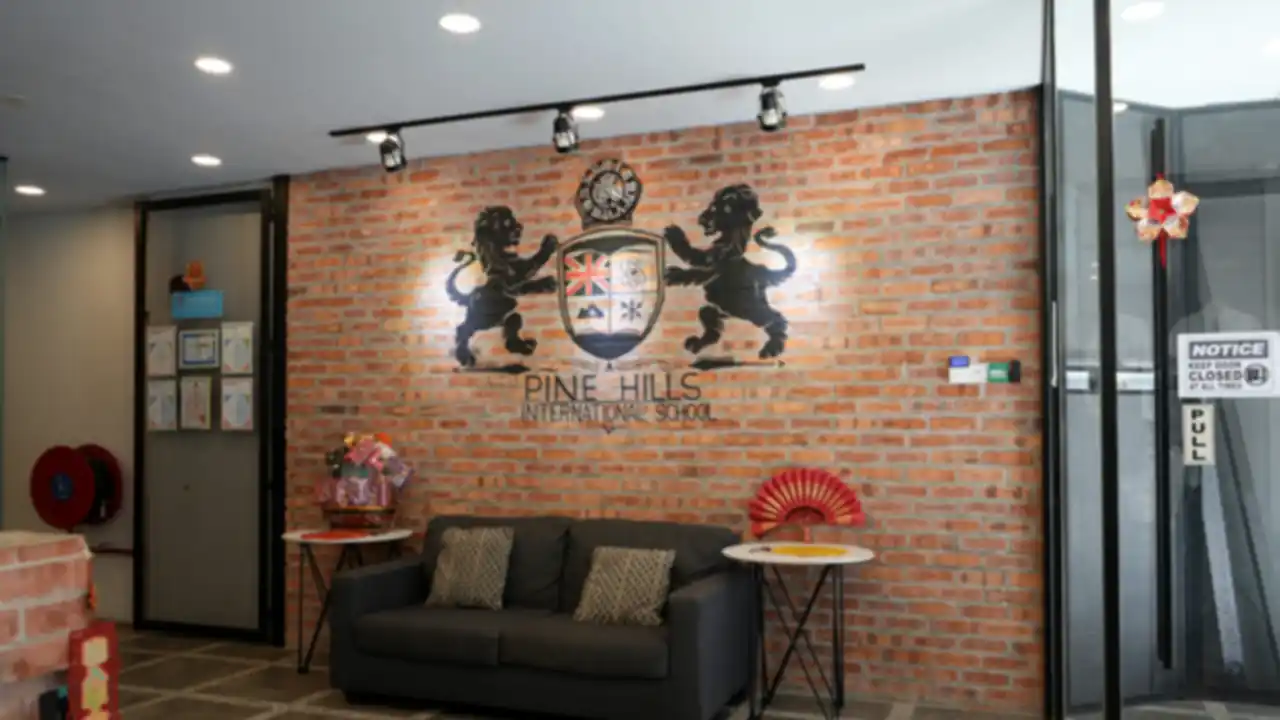

Inclusive education helps a child with autism learn alongside other children, with support planned around the child. WHO says evidence-based psychosocial interventions can improve communication and social skills. At Pine Hills International School, the Gifted Kids Care Centre runs specialised classes for autistic children, personalised learning plans and an Early Intervention Programme that involves each family.
Key takeaways
- WHO describes autism as a diverse group of conditions, and says the abilities and needs of autistic people vary and can evolve over time.
- WHO says evidence-based psychosocial interventions can improve communication and social skills, and calls for inclusive and enabling environments.
- 154,557 pupils with special educational needs were registered with Malaysia's Ministry of Education as at 31 January 2026, 24,253 of them in the Inclusive Education Programme (PPI).
- Pine Hills' Gifted Kids Care Centre, set up in 2018, runs specialised classes for autistic children with personalised learning plans.
- Its Early Intervention Programme works on four areas together with each child's family.
Parents of an autistic child in Kuala Lumpur and Selangor often ask the same question when they look at schools: will my child be supported, and what does inclusive education actually look like day to day? This guide explains what inclusive education means, what the World Health Organization says about support for autistic children, and how Pine Hills International School's Gifted Kids Care Centre works with children and their families.
What is autism, and why does support matter?
The World Health Organization (WHO) describes autism spectrum disorders as "a diverse group of conditions" related to the development of the brain, "characterized by some degree of difficulty with social interaction and communication" (WHO fact sheet, 2025). WHO estimates that worldwide in 2021 about 1 in 127 persons had autism.
WHO also says that "the abilities and needs of autistic people vary and can evolve over time". WHO adds that evidence-based psychosocial interventions can improve communication and social skills, and calls for "inclusive and enabling environments" for people with autism and other developmental disabilities.
What does inclusive education mean in Malaysia?
Inclusive education means children with special needs learn alongside other children, with the support they need. Malaysia's Ministry of Education registers pupils with special educational needs in three settings: special education schools (SPK), the Special Education Integration Programme (PPKI) and the Inclusive Education Programme (PPI).
| Setting | Pupils |
|---|---|
| Special Education Integration Programme (PPKI) | 127,005 |
| Inclusive Education Programme (PPI) | 24,253 |
| Special education schools (SPK) | 3,299 |
| Total registered | 154,557 |
The figures were given by Deputy Education Minister Wong Kah Woh and reported by RTM on 5 March 2026. Each school sets out its own support, so ask what it offers.
How does Pine Hills support children with autism?
Pine Hills supports autistic children through the Gifted Kids Care Centre, the school's own dedicated unit for inclusive education, set up in 2018. The school describes the unit as "staffed with specialized professionals trained in autism care", running specialised classes for autistic children, with expert teachers and personalised learning plans so that "every child can thrive at their own pace".
"We embrace neurodiversity and create a safe, inclusive space where every child can flourish."
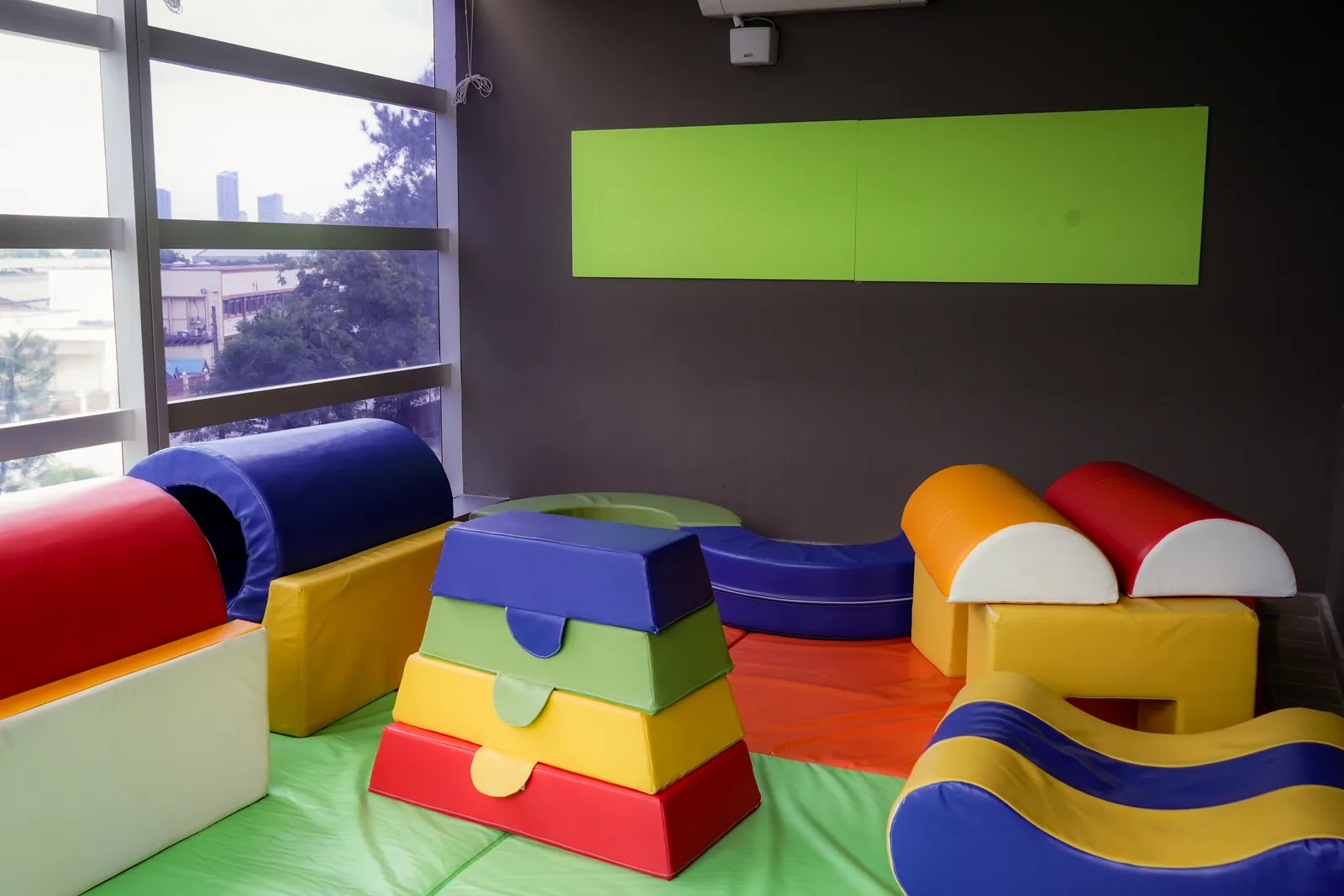
The centre grew out of experience. In the school's words, its journey towards inclusive education since Excel Edu in 2017 "has been one of growth and learning", and recognising the unique needs of children with autism, "we initially faced challenges in providing the right support". That commitment led to a unit of its own. The centre has its own therapy rooms and a sensory room.
The school's promise for children with special needs is "kindness, patience, and the right tools to help these children learn, grow, and succeed".
What does the Early Intervention Programme work on?
The Gifted Kids Care Centre runs an Early Intervention Programme with four aims, worked on together with each child's family:
| Area | What it aims to do |
|---|---|
| Individualised support | Personalised support to meet each child's unique needs, promoting holistic growth and addressing individual challenges |
| Skill enhancement | Essential skills in communication, social interaction, cognition and motor development |
| Enhanced socialisation | Communication, cooperation and empathy, enabling meaningful relationships and fuller participation in social settings |
| Family engagement and support | Guidance and support so families understand their child's needs and contribute to their growth |
WHO notes that autism characteristics "may be detected in early childhood, but autism is often not diagnosed until much later". If you have questions about your child's development, talk to the school and to the professionals who know your child.
How are families involved?
Families take part in the programme. The Early Intervention Programme actively involves families, offering guidance and support to help them understand their child's needs and contribute to their growth. In the school's words: "Together, with families and caregivers, we are committed to helping our students grow into confident, self-assured individuals."
WHO, too, says that the demands on families providing care and support "can be significant", and its own work includes support for caregivers.
What should you ask when you visit?
Every child's needs are different, so bring your own questions to the first conversation. These are a good start:
- How would my child's school day run, in the centre's classes and in the wider school?
- Which campus is best for my child's needs, and which is easiest for us to reach?
- For the Early Intervention Programme: from what age, for how long and how often?
- How is my child's personalised learning plan made, and how will we hear about progress?
- Can we see the therapy rooms and the sensory room?
It helps to bring your child's age, what they enjoy and find hard, and any reports or notes you already have. Our guide on what to ask on a school tour has more questions for the visit, and our special needs page describes the Gifted Kids Care Centre in full.
Frequently asked questions
Does Pine Hills support children with autism?
Yes. Pine Hills supports autistic children through the Gifted Kids Care Centre, its own dedicated unit for inclusive education since 2018, with specialised classes, expert teachers and personalised learning plans.
What is the Early Intervention Programme?
It is the Gifted Kids Care Centre's programme with four aims: individualised support, skill enhancement, enhanced socialisation, and family engagement and support. Ask the school how it would run for your child: from what age, for how long and how often.
Are parents involved in the programme?
Yes. The Early Intervention Programme actively involves families, with guidance and support to help them understand their child's needs and contribute to their growth.